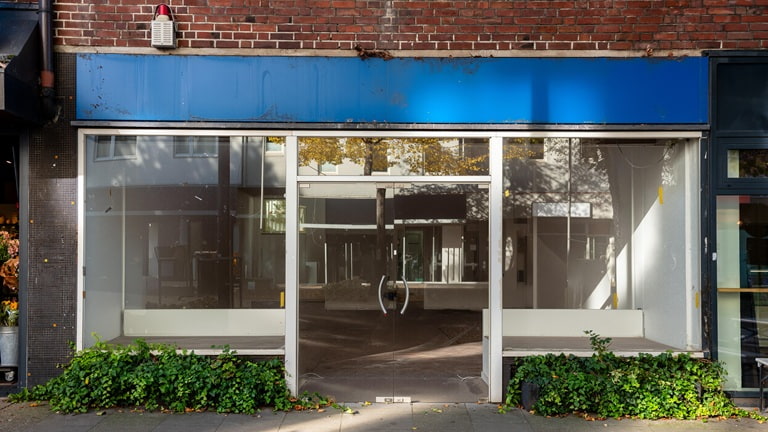
Energy tariffs for empty properties – using your retail space innovatively
)
Posted: Thu 23rd Apr 2026
Last updated: Thu 23rd Apr 2026
5 min read
In today's changing market and economic climate, small businesses must do everything they can to make the most of their retail space.
Whether the property operates all year round or more seasonally (like a seaside gift shop or an ice-cream store), using the space as well as possible can significantly reduce costs and boost profits.
In this blog, we'll explore several effective strategies that your small business can adopt to get the best from your retail space.
Sharing retail spaces
An increasingly popular trend among small businesses is co-sharing retail space with another business.
This is especially common among new start-ups or businesses located in quieter or rural areas.
However, it's equally effective in larger cities where rent and operating costs can be much higher.
The benefits of sharing a retail space
Cost savings: You share rent, utilities and other overheads, which lessens the financial strain.
Opportunities for collaboration: Co-locating makes the chance of developing creative partnerships and cross-promotions a lot more likely. The result is mixed-use spaces where retail, housing, leisure, work and culture can co-exist.
Networking potential: Engaging with another business naturally exposes your business to a broader customer base. Consequently, your space can transform into a community hub or space designed for social interaction and engaging with the local environment.
Marketing and advertising opportunities
If your retail space is vacant at any point, it doesn't mean you can't still use it to generate income and visibility.
Here are a few ideas for how to use your space and the community around it as a means of advertising:
List your space online: Make your retail space available for lease to attract both short-term and long-term tenants.
Advertise in the area: Use local publications, community boards or local events to drum up interest.
Use the space as an advertisement itself: If your store has a street-facing window, place eye-catching signs or promotions to engage passers-by and arouse their curiosity. This is especially helpful if you plan to return to the space in the future.
Managing costs smartly
Keeping costs under control is a key part of maintaining a profitable business, whether your store is open or temporarily closed.
Here are a few cost-saving strategies that could benefit you:
Temporary use of vacant space: Consider renting out the space for "meanwhile use", such as pop-up shops, community events or local business workspaces.
This brings in short-term revenue, increases foot traffic and makes the space and surrounding area more vibrant, while avoiding long-term vacancy.
Energy efficiency: When you're not using the space, make sure you turn off all devices and lights. For operational spaces, switch to LED lighting and encourage energy-conscious behaviour among staff.
Regular maintenance: Avoid costly repairs by carrying out routine checks. An energy audit, for instance, can highlight ways to lower your ongoing utility expenses.
Zero standing charge tariffs
While we're on the subject of managing costs, the tariff you choose can make a big difference to how much you can save, especially if you're a business that doesn't operate at all times of the year.
This is why EDF offers its zero standing charge (ZSC) tariff. It's made to benefit businesses that may only be open certain days of the week or during particular seasons.
So if you're a pop-up shop or based on a temporary site, this could be the tariff for you!
Learn more about the ZSC tariff and how to sign up at the EDF website.
People also read
Get business support right to your inbox
Subscribe to our newsletter to receive business tips, learn about new funding programmes, join upcoming events, take e-learning courses, and more.
Start your business journey today
Take the first step to successfully starting and growing your business.
Join for free