Panel discussions – the big opportunity founders often miss
Posted: Thu 21st May 2026
Last updated: Thu 21st May 2026
6 min read
Are you a small business founder who creates content consistently but still feels invisible?
While social media might rank as the go-to channel for raising your profile, visibility works much better when people can see and hear you in real time.
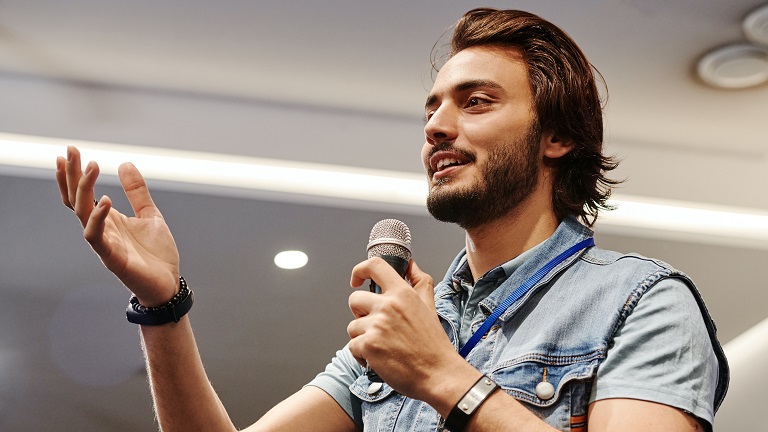
Panel discussions form an integral part of business events. Far from being exclusive invitations, they're some of the most accessible speaking opportunities for small business owners and founders.
Keynote opportunities are limited, but organisers are always looking for fresh voices and new perspectives.
As a founder, it's a great chance to quickly build credibility, because you're seen alongside other experts. Appearing alongside respected speakers or brands can also build trust faster.
Panels also make networking easier, as people already feel familiar with you before the post-event conversations begin.
Why founders tend to overlook panels
You might assume panels are reserved for well-known names or experienced speakers.
Yet organisers prefer practical voices with current, real-world experience – and business founders certainly fit that bill.
From your speaker's perspective, a panel discussion may look unstructured and difficult to prepare for. But that's a myth. It's actually one of the easiest ways to raise your visibility.
A good event organiser will set up a meeting to make sure you know what questions you'll be asked and outline a basic structure for the conversation. You just need to attend this call and spend 30 minutes preparing key points.
Being on a panel does mean stepping into the spotlight, but it's an experience you share with other speakers.
For most panels, you need only prepare a handful of clear points – the audience isn't looking for a presentation.
I know one architect who took the leap and said "yes" to being on panels. She now has a more visible profile in her industry and her colleagues, as well as her wider professional network, view her much differently.
What panels do that social media often can't
We all know that people buy from people they trust. And while we enjoy a more digital life, there's nothing better than making that connection in person.
Hearing someone speak creates credibility faster than scrolling past one of their social media posts, and panels are a chance to show more than personality.
Panels quickly reveal your judgement, communication style and how you interact with other people in real time.
One professional from a panel I moderated was immediately invited to join a second panel the next month.
It took just one appearance for them to establish themselves as an expert and make new business contacts.
How to start getting invited to speak
Being invited to join a panel discussion for business owners is easier than you might think. But many founders make the mistake of waiting to be asked.
A better approach is to be proactive. If you regularly attend the type of events at which you want to speak, make the effort to find the organiser (or contact them afterwards) to have a quick chat or meet for coffee.
It isn't boasting to put yourself forward.
Event organisers are often looking for fresh voices, and meeting in person helps them understand what you can contribute. The next time they're assembling a panel, they're more likely to think of you.
It also helps to create a short "topics I can speak about" paragraph and include any speaking experience in your bio, even if it's informal.
You can start small by speaking at local business networks, chambers of commerce, trade associations or community events. These speaking opportunities are often the fastest way to build confidence and visibility.
Most importantly, say yes to smaller opportunities because they often lead to larger speaking invitations later.
How to prepare so you add value and aren't just showing up
The best panel speakers don't memorise large chunks of text. Instead, they prepare a few key messages and focus on having a conversation rather than delivering a lecture.
Panels move quickly, so concise answers and messages are more effective. A useful structure is to:
begin with a clear opening point
add two or three supporting ideas
explain what it means for the audience
Attending the briefing call beforehand is vital, as it helps you understand the audience, the moderator's style and how the discussion will likely flow.
During the panel, listen actively instead of waiting to speak, and use bridging phrases (if you need to) to connect ideas naturally.
Keep answers under a minute wherever you can. Most panels feel far more conversational than people expect, which often helps settle nerves quickly.
How to make the most of the opportunity afterwards
A single panel appearance can create weeks of valuable content if you make the most of it.
Instead of treating the event as a one-off moment, own your participation and repurpose what comes from it.
Short video clips, memorable quotes, photos and interesting audience questions can all become LinkedIn posts or ideas for future content. Sharing highlights from the discussion helps reinforce your expertise.
Follow up with people you met, connect with attendees online and continue relevant discussions afterwards. And this isn't just about the attendees.
One founder I know organises follow-up coffees with her fellow panellists, building her network and making the most of that time together on stage.
Why panels often lead to more than visibility
Over time, taking part in panel discussions can help build your credibility, confidence and valuable professional relationships.
A strong appearance can lead to referrals, collaborations and future invitations, as people remember founders who contribute useful insight and engage well with others.
You don't need to be the most experienced person in the room – just willing to share your perspective.
Often, the founders who become most visible are the ones willing to show up and join the conversation.
Andrea Carpenter is a communications consultant, writer, and panel moderator who helps founders and professionals build visibility through panel discussions and speaking opportunities.
She is the founder of Diversity Talks Real Estate, an organisation focused on increasing the visibility of under-represented voices through events, panels, and media. With a background spanning journalism, industry leadership, and consultancy, Andrea brings both strategic insight and practical experience to how people show up and stand out in public forums.
Andrea has extensive experience moderating and speaking on panels, and specialises in helping individuals contribute with clarity, confidence, and impact so they are remembered, invited back, and recognised as experts in their field.
She is the author of Panel Perfect: A Woman’s Guide to Becoming an Expert Panellist.
)