New tax year: Key changes and initiatives for 2026/2027
)

Posted: Mon 23rd Mar 2026
Last updated: Mon 23rd Mar 2026
15 min read
This blog was originally published on Sage's website.
The new tax year as of 6 April 2026 brings some of the most significant changes for small businesses in recent memory.
From the long-awaited rollout of Making Tax Digital to a major overhaul of Statutory Sick Pay, there's plenty for businesses of all sizes to get to grips with.
Here's what you need to know.
Making Tax Digital for Income Tax for 2026/2027
This is the big one and has been a long time coming – although you might be reading this and be astonished to learn about it.
Allow us to get you up to speed as quickly as possible.
From 6 April 2026, Making Tax Digital for Income Tax becomes mandatory for sole traders and landlords who are currently using Self Assessment and have qualifying gross income above £50,000.
If that's you, the days of keeping paper records and filing a single annual Self Assessment return are over.
HMRC should already have contacted you about it, so if this is a shock, check your spam folders, or consider giving HMRC a call to check.
It's just a different way of doing your tax accounting. The fundamental rules for income tax, such as how you claim expenses, how tax is calculated, and when you pay, are not changing.
However, it's possible you might not need to follow the MTD rules if your earnings in previous years were below the £50,000 limit, even if they are today. Again, it's worth phoning HMRC to check.
Under the new rules, you'll need to use HMRC-recognised software compatible with MTD to keep digital accounting records and submit quarterly updates of your income and expenses.
Those updates are due by 7 August, 7 November, 7 February and 7 May, with a final digital tax return still due by 31 January.
There is some good news on the enforcement side: HMRC has confirmed that penalty points for late quarterly updates won't be issued during the first 12 months.
After that grace period, you'll receive a point for each late submission, with a £200 fine kicking in once you hit four points.
If your income is between £30,000 and £50,000, then MTD will still affect you – but you won't need to comply until April 2027. Those earning between £20,000 and £30,000 have until April 2028 (pending legislation).
The government has said it's consulting around ways to bring MTD to lower income levels but nothing's been announced yet.
What to do now
Choose and sign up for MTD-compatible software if you haven't already – don't leave it until your first quarterly deadline. Did you know Sage has free MTD software?
Also, start recording income and expenses digitally immediately from 6 April. And if your income is below £50,000 but trending upwards, begin familiarising yourself with the process now rather than scrambling when your threshold kicks in.
Notably, any Self Assessment sole trader or landlord can start using MTD voluntarily, regardless of income level. It's not a bad idea to start now, if you can.
Statutory Sick Pay reforms for 2026/2027
The Employment Rights Act 2025 introduced sweeping changes to Statutory Sick Pay (SSP) from 6 April 2026.
First, the three-day waiting period is gone. SSP is now payable from day one of sickness absence.
Second, the Lower Earnings Limit – that was £125 per week – has been scrapped entirely for SSP eligibility, extending SSP eligibility to an estimated 1.3 million additional workers who previously earned too little to qualify. Previously it was £125 per week (rising to around £129), before it was scrapped.
For lower-paid employees, the new SSP rate will be whichever is lower: 80% of average weekly earnings or the flat rate of £123.25.
If you employ part-time or lower-paid staff, you'll want to review your payroll processes and absence policies well before April.
Separately from SSP (which employers cannot reclaim), employers can reclaim 92% of statutory pay (maternity, paternity, adoption, parental bereavement, neonatal care, and shared parental).
Those with Class 1 NIC of £45,000 or less in the previous tax year (before any reductions such as Employment Allowance) qualify for Small Employers' Relief, allowing them to reclaim 100% plus an additional compensation rate.
From 6 April 2026, this compensation rises from 8.5% to 9%, meaning qualifying employers can reclaim 109% from HMRC.
What to do now
Update your sickness absence policy to reflect day-one SSP entitlement and the removal of the earnings threshold.
Check whether your payroll software handles the new two-tier rate calculation (80% of earnings vs flat rate) automatically, or whether it needs a manual update.
And budget for the increased cost – particularly if you have a workforce with historically high short-term absence.

National Living Wage, National Minimum Wage and National Insurance for 2026/2027
The National Living Wage rises to £12.71 per hour from 1 April 2026 for workers aged 21 and over – an increase of 50p (4.1%).
Other rates are going up too: the 18–20 rate rises to £10.85 per hour, while the rate for 16–17-year-olds and apprentices increases to £8.00.
The employer National Insurance (NI) rate remains at 15%, with the secondary threshold holding at £5,000 per year.
But the Employment Allowance – now £10,500 with the previous £100,000 liability cap removed – continues to provide meaningful relief for smaller employers.
If you haven't claimed it recently, it's worth checking your eligibility, as the increased allowance can offset a significant chunk of your NI bill. The main exclusion is single-director companies with no other employees.
What's more, the secondary threshold of £5,000 is now confirmed frozen until April 2031, which will have planning implications for the coming years if you're budgeting that far ahead.
What to do now
Update your payroll systems with the new rates before your first April pay run. Review your staffing costs and, if necessary, adjust pricing or budgets to absorb the increase. If you use the accommodation offset, note that also rises to £11.10 per day.
Confirm your Employment Allowance claim is active for 2026/27. It doesn't always carry over automatically between tax years.
If you previously didn't qualify because your NI liability exceeded £100,000, check again now that the cap has been removed.
If you use a payroll provider, review whether they are applying the allowance correctly against your monthly NI bill.
Business rates: Permanent relief for retail, hospitality and leisure from 2026/27
The temporary 40% Retail, Hospitality and Leisure (RHL) business rates relief that's been patched together year after year is finally being replaced with something more permanent.
From 1 April 2026, qualifying RHL properties with rateable values under £500,000 will benefit from permanently lower business rates multipliers, set 5p below the national rate.
This is a permanent tax cut worth nearly £1 billion per year and benefiting over 750,000 properties.
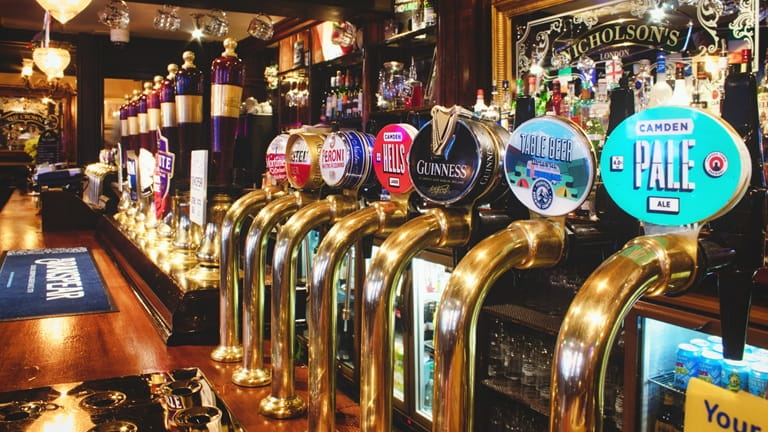
Pubs and live music venues get an additional 15% relief on top during 2026/27, with their bills then frozen in real terms for the following two years.
On the other side of the ledger, properties with rateable values of £500,000 and above will face a higher multiplier, set 2.8p above the national standard.
What to do now
Check your March 2026 rates bill to see which multiplier has been applied – the Valuation Office Agency determines eligibility automatically based on GOV.UK's qualifying criteria, but it's worth verifying your property has been classified correctly, especially if it has mixed use. (Although bear in mind that it's your local authority that determines RHL eligibility.)
If you run a pub or live music venue, make sure you're claiming the additional 15% relief for 2026/27.
And if you're considering taking on new premises, factor the lower multiplier into your location costs.
Other changes to know about for businesses in 2026/27
Here are some smaller but nonetheless important things to know as we enter the 2026 tax year.
Capital Gains Tax: Business Asset Disposal Relief
If you're planning to sell your business or dispose of qualifying assets, the rate of Capital Gains Tax under Business Asset Disposal Relief (BADR) rises again on 6 April 2026 – from 14% to 18%.
This completes the phased increase announced in the 2024 Autumn Budget (it was 10% before April 2025).
With the lifetime limit for qualifying gains sitting at £1 million, BADR is now worth a maximum saving of £60,000 per person.
If a disposal is on the horizon, the timing could make a real difference.
Corporation Tax late filing penalties
Here's one that catches out more businesses than you'd think.
From 1 April 2026, the penalties for filing your Corporation Tax return late are doubling.
A late return will now attract a £200 penalty (up from £100), rising to £400 if it's more than three months late (up from £200).
File late three times in a row and you're looking at a £2,000 fine if the return is more than three months late.
These penalties haven't changed since 1998, so in one sense this is long overdue.
But it's a sharp reminder to stay on top of your filing deadlines – especially since dormant companies and those with no tax liability still need to file.
Fuel duty
Some welcome breathing space for businesses with vehicles on the road: the 5p cut to fuel duty has been extended until 31 August 2026.
After that, duty will begin rising in stages – 1p in September, 2p in December and another 2p in March 2027.
If fuel is a significant cost for your business, it's worth planning ahead for those step-ups later in the year.
Dividend tax rates
If you pay yourself through dividends – as many owner-managers of limited companies do – the rates are going up.
The basic rate of dividend tax increases from 8.75% to 10.75% for 2026/2027, and the higher rate rises from 33.75% to 35.75% (so both increase by 2 percentage points).
Combined with the frozen dividend allowance, this means more of your dividend income will be taxed at a higher rate.
It may be time to revisit how you structure your remuneration.
Capital allowances: Writing-down allowance
The main rate of writing-down allowance (WDA) for plant and machinery is being cut from 18% to 14% from April 2026.
Furthermore, there's already a first-year allowance (FYA) of 40% for main rate expenditure that began on 1 January 2026, with reduced restrictions compared to other FYAs.
If you're claiming capital allowances on equipment, vehicles or other qualifying assets that don't fall under the Annual Investment Allowance or full expensing, your tax relief will be spread over a longer period.
Full expensing and the Annual Investment Allowance remain available, so make sure you're claiming through the most advantageous route.
Final thoughts: What it all adds up to
The 2026/2027 tax year is unusually heavy on change.
Making Tax Digital alone represents a fundamental shift in how sole traders and landlords interact with HMRC, and the SSP reforms will require practically every employer to update their processes.
The consistent message from the Spring Statement 2026 is that the overall tax take for businesses isn't going down any time soon.
But there are reliefs and allowances worth making the most of – from the increased Employment Allowance to the new permanent business rates reductions.
The sooner you get your systems, software and processes updated, the smoother the transition will be.
People also viewed

Find smarter digital finance tools with Tech Hub
Get tailored recommendations and practical support to help you streamline bookkeeping, tax and financial admin. Take me to Tech Hub now
Get business support right to your inbox
Subscribe to our newsletter to receive business tips, learn about new funding programmes, join upcoming events, take e-learning courses, and more.
Start your business journey today
Take the first step to successfully starting and growing your business.
Join for free