A beacon of hope for the high street: The rise of the independent bookshop
Posted: Wed 27th May 2026
9 min read
From being threatened with extinction (thanks, Amazon) to now being considered a beacon of hope for the high street, the independent bookshop is not just surviving but thriving.
The Booksellers Association, which operates in the UK and Ireland and represents over 95% of bookstores in the countries, reported a healthy increase in the number of independent bookshops in the last couple of years. Even with rising costs, this trend outperformed the wider retail sector which, according to recent data from the Centre of Retail Research, saw about 37 shop closures per day in 2024.
Although the number of independent bookshops in the UK and Ireland hit an all-time low in 2016, it has been a comeback story for the ages. While some stores tried to take on the book giants by stocking more titles, the ones that thrived did things differently.
A point of view
They leaned into what the giants could not deliver: a sense of community and belonging. While the online retailers and big chains chased efficiency and scale, the independent bookshop curated its shelves and created a distinct point of view. Customers who walk into an independent bookshop are privy to its owner's handpicked selection of titles.
For Ryan Bogle, owner of House of Joy in Colchester, that curatorial instinct was the founding impulse behind his shop. During his film studies degree, he found himself unable to source books on black female representation in film from any local retailer.
"Even just ordering them in felt like a roadblock – it wasn't possible," Ryan says. "I don't think there should be challenges for people in how they read and what they want to read. If we can make it happen, then we should."
Meera Ghanshamdas (L) Aimée Felone (R)
For Aimée Felone, co-founder of Brixton bookshop Round Table Books, that sense of purpose has been there since the beginning.
"We know that a lot of the authors that we're stocking don't get that mainstream attention," Aimée says. "They don't get the same amount of space that we give them, whether that be on the shelf, at events, or across our social media."
"What independents do better is they pitch themselves like humans.
"A big chain has a brand book, a tone-of-voice doc, and a marketing plan.
"An indie bookshop owner stands behind the counter and tells you why a specific book changed their week – and you buy it because you can hear it in their voice. Chains can copy the cafes, the events, even the curation. They can't copy the human picking up the book and saying, 'this one is for you'."
Aimée believes this personal connection is what keeps customers coming back.
"Everyone who works in the shop offers recommendations to people as soon as they come through the door," Aimée says. "If someone says they haven't read anything in a while, but they're really loving watching X or Y, then we'll be able to find something that connects to that."
This winning combination proved invaluable when COVID-19 hit. Rather than disappear, the bookshop became a hub for its communities.
Sense of community
Customers decided to shop locally, invest in their communities and support small businesses. Years later, this mindset stayed, even if it meant they had to pay a little more to keep the doors of their local shops open. Especially if the shop was also a cafe or bar and served as a community hub.
"The bookshop has evolved into a real community third space," says Aimée. "It's no longer just a bookshop. It's about the lively conversations people can have and creating spaces where communities can gather."
Ryan, whose House of Joy opened in Colchester in February 2026, has built that community spirit in from the start. Open for just three months, the shop already hosts two book clubs, children's book readings, a candle-making workshop and events for LGBTQ creatives, with more planned for the summer.
"I want people to spend their lunch breaks here, gossiping to me," Ryan says. "I want people to feel like they have a bond with the shop. It's nice that I can get to know people and talk about different things, not just books."
The bookshop has redefined its role as more than just a retail space, hosting events, book clubs, children's readings, author talks and even literary festivals.
Aimée says that expanding beyond books became essential after the pandemic. "Children's books alone weren't making enough revenue for us to keep the shop open," she explains. "So we said, okay, let's do more adult books and let's also do more events."
Now, Round Table Books hosts regular author panels, writing workshops and acoustic nights, while also offering a cafe and bar space for the community.
"We want people to come in and say, 'I want to run this group regularly','" Aimée says. "We want to be able to give the space to people as and when they need it."
This makes one thing clear, particularly after the isolation that COVID brought. Readers want more than convenience and cut-throat pricing when it comes to books. They want an experience in a physical space, a conversation with like-minded book lovers and authors, curated points of view, and to be part of a community.
"As an author, it is heartening that there are still bookshops for people to browse, and the owners are always just the sort of people who give you time to look and read but are there to help when advice is needed."
And in turn, customers pledge their loyalty to their local small business bookshop.
Unlikely patrons
Despite the stereotypes of young people being glued to their screens, Gen Z and Millennials are most likely to purchase books in dedicated stores rather than online. A 2024 survey by the Booksellers Association found that these indie bookshops may be influencing young people to develop an interest in reading.
Thanks to #BookTok and #Bookstagram, social media is another factor influencing the change. To put that into numbers, the #BookTok hashtag on TikTok has surpassed 78.7 million posts. These hashtags have given young people access to curated reading lists, while bookshops have also started uploading their own recommendations or creating displays of titles that are particularly popular on these apps.
Ryan has seen this first-hand. Korean and Japanese crime fiction in translation — a niche he hadn't anticipated — became one of his bestselling categories after younger customers started arriving, having seen titles recommended. But he is also careful not to chase every trend. With around 400 to 450 titles in stock, he worries about overstocking for a moment that has already passed.
"We don't go too much into it because we don't want to stagnate," he says. "By the time we stock for a trend, people have moved on to the next one."
Aimée says social media trends have had a visible impact in-store, too. "Sometimes it's driven by Netflix or social media trends, but sometimes it's just people discovering things organically," she says.
From the verge of extinction to becoming a beacon of hope, the comeback story of the indie bookshop is a lesson in resilience and adaptability. One that other high street shops can learn from to not just survive but thrive.
I am Enterprise Nation's content manager.
An experienced content editor and multimedia journalist, I have worked across various consumer and B2B print and digital media platforms across the globe.
I love storytelling and am on a mission to represent the voice of the “lil guy”. Throughout my career, I have launched and nurtured podcasts, newsletters, websites, magazines and other media initiatives.
)
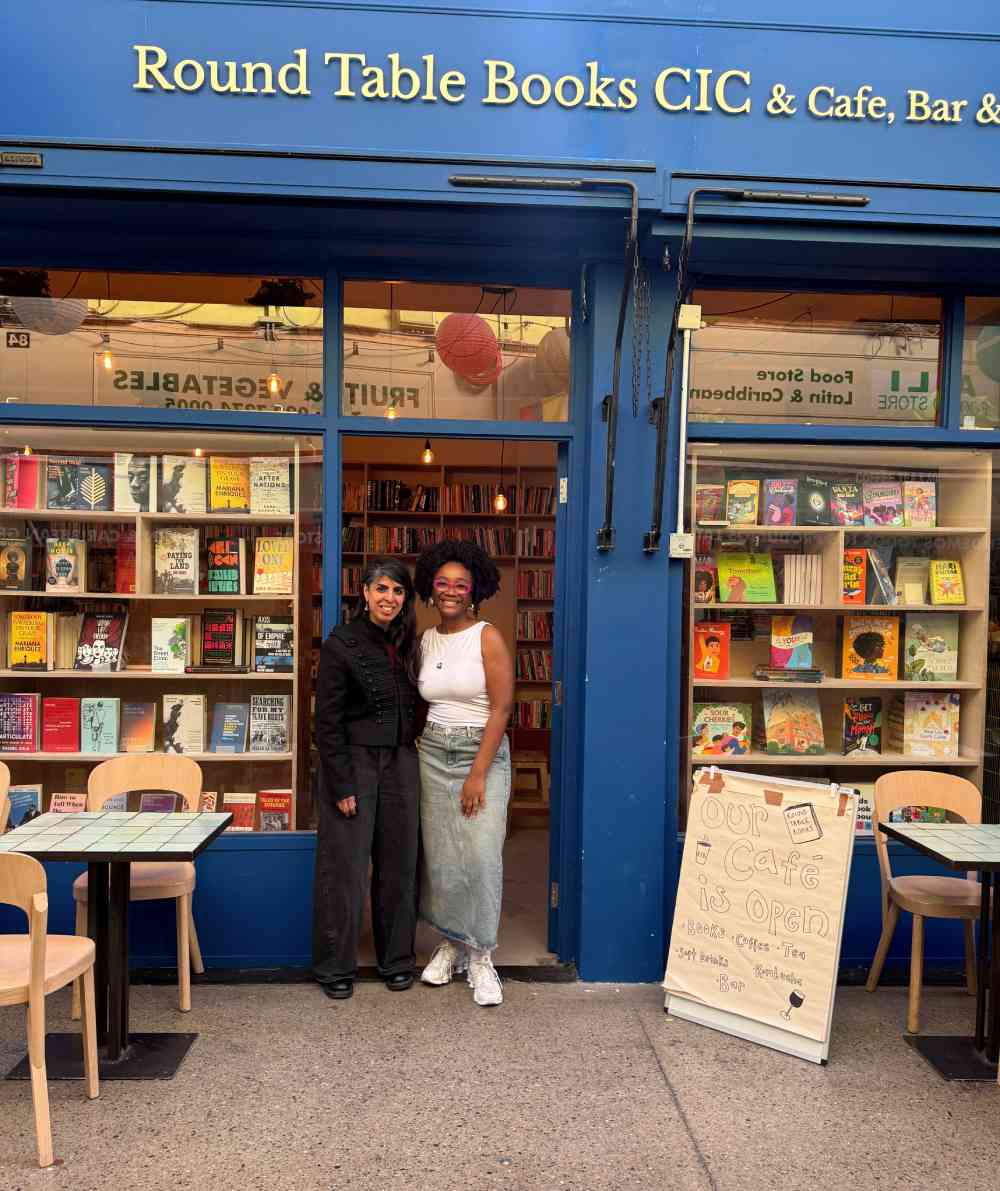 Meera Ghanshamdas (L) Aimée Felone (R)